

Home Décor Tips for LED Strip Lighting
Click:
Time:2023-03-24 11:56:51
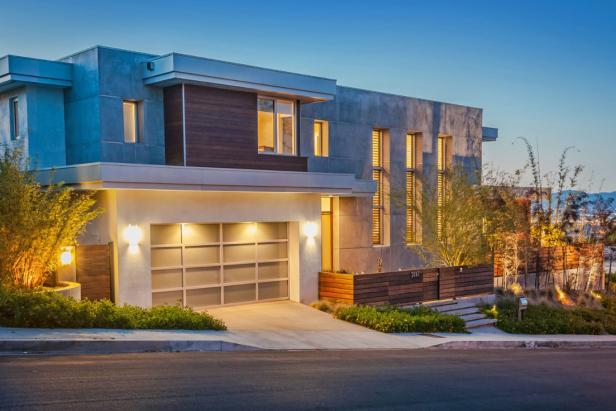
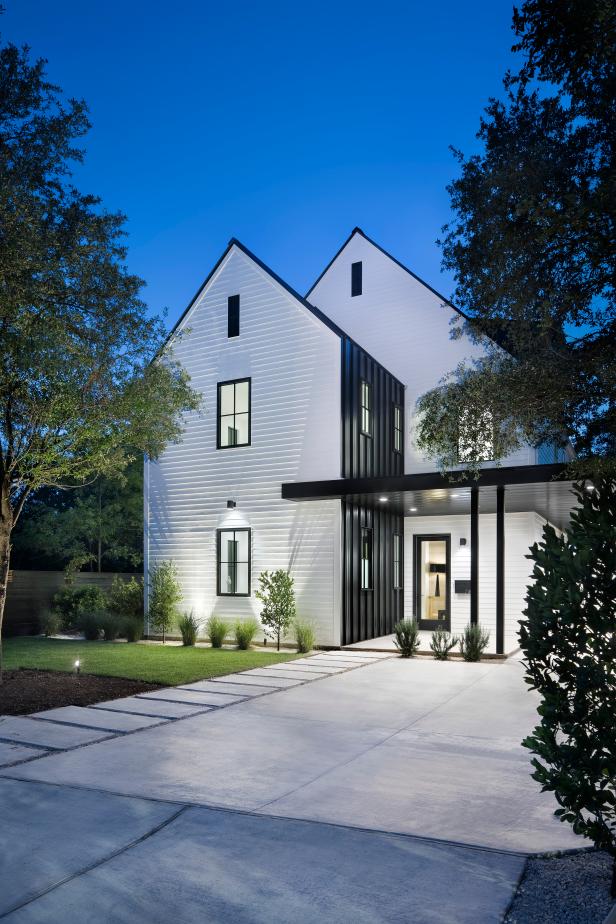
Before you invest in any outdoor landscape lighting, ask yourself what you need to illuminate and why. Perhaps you want to set a festive tone on your patio for evening entertaining. Maybe you have a shadowy corner you need to illuminate for security reasons or the path leading from the driveway to the door is a hazard because it’s too dark. Curb appeal is another reason to amp your lighting; highlighting your home’s architecture, a water feature or ornamental landscaping can also make your home glow with class and style.
How Much Does Landscape Lighting Cost?
How much you spend on landscape lighting will depend on the type of lighting you install and whether or not you need a pro to install it. Other factors, of course, include the size of your yard and what lighting you already have in place.
Can I Install My Own Landscape Lighting?
That depends on what type of lighting you chose and where you place it. Replacing an existing electrical fixture can be done by a seasoned DIYer, but installing a new fixture where there never was one will more than likely require a pro. There is plenty of low-voltage and solar options on the market to make DIYing a real possibility. But, if you have any doubt about whether you can handle the task, call a pro. Electrical work is not something you want to mess up; it can be dangerous and costly. If you are replacing or installing a new gas fixture, you will have to have a professional plumber or gas lighting specialist do the job.
Paul Finkel
Making an Outdoor Lighting Plan
There are many DIY ways to light up your landscape and many of them are affordable. Even if you want to do the installation yourself, consider having a professional lighting designer help you with your overall lighting plan. One of the biggest mistakes homeowners make is installing too many lights. According to Elizabeth Przygoda, founder of Boxhill & Co., the most common mistake she sees is “homeowners making their driveway or walkway look like an airport runway landing strip.” Another blunder she often sees is “putting lighting directly across from each other in symmetrical rows instead of staggering them.”
A lighting designer can be very helpful if your community has lighting codes to prevent light pollution. Outdoor lighting ordinances have been rolling out across the country in recent years, so you may not even be aware that your municipality has these regulations. (For more light pollution initiatives, check out the Dark Sky Association.) A good lighting designer will know the electrical codes, what type of lighting meets those codes and be able to help you with the placement of the lighting.
When making your lighting plan, you may find it helpful to make a sketch of your yard so you can match the reason for the lighting to a specific location. Include in the sketch existing lights, buildings, benches, trees and shrubs, as well as vegetation and decorations in the garden. Each of these items will reflect light or absorb it. Estimate the height of each of the objects, especially the foliage.
Don’t forget to include dimmers in your lighting plan. Like indoor lighting, outdoor lighting can be installed with dimmers. Bright outdoor lights can be obnoxious and not always necessary. But if you’re having a party or the kids are having an evening game of basketball in the driveway you may want to turn up the lights to max capacity — dimmers will give you that option for only a little extra cost.
Warren Jagger
Electrical Options
The landscape lighting that requires the greatest effort to install is 120-volt lighting. Wiring for these types of garden lights must be buried at a depth of 18 inches or encased in conduit to protect it from water. A licensed electrician must install the electrical components.
Low-voltage landscape lighting needs only an outdoor receptacle and a transformer. The transformer converts the 120 volts coming from the household line to a safe 12 volts to operate the lights.
The easiest landscape lighting to place in the backyard is solar lighting. This type of lighting has no wires to be hidden. Of course, to get the most out of solar lighting, it needs to be positioned in such a way that the photovoltaic cell receives enough sunlight during the day to allow it to shine throughout the night.
Landscape Lighting Trends
Advances in technology, plus the trend for more outdoor living, have made lighting companies step up their landscape-lighting game with a variety of options from chic classic lanterns to glowing orbs. Check out what’s hot in the world of landscape lighting.
- Portable lighting We’re talking more than just lanterns, candles and tiki torches. LED wireless “lamps” come in a variety of sizes and shapes — cubes, globes or oval river rocks are the most common. These glowing orbs and cylinders can serve as art or furniture as well as lighting. Many of these lights run on smart technology so you can program timing, color and brightness. Plus, they are waterproof so go ahead and place them poolside or in a water feature. Other portable options to keep an eye out for are floor lamps, table lamps and hanging lightbulbs — these are portable lightbulbs that you can hang on a hook, perfect for camping.
- High-end fixtures that look like fancy indoor lighting: Whereas a lot of landscape lighting is hidden, front porch lanterns, sconces and overhead fixtures are out in the open for all to see. So, homeowners are splurging on more stylized lighting that makes a statement and heightens the home’s architecture.
- Color changing lights: Lighting up your landscape in various hues for holidays and special occasions is easier than ever. Options range from bulbs to fixtures. They are DIY friendly, often Bluetooth enabled and most operate off a remote or app. There are several low-voltage and solar path lighting kits, spotlights, outdoor lamps and even 100’ long LED strip lights that can be programmed to flash to the beat of your music. Smart LED color-changing lightbulbs start around $15 and can be installed into most existing fixtures.
- Moonlighting: This type of lighting came on the scene a few years ago and is still gaining in popularity. Moonlighting is downward-facing floodlights that are meant to mimic natural moonlight. It is most often placed high — about 20’ to 25’ — in a tree to cast dappled light through the tree’s canopy. This type of lighting is more about being attractive and setting a mood and less about safety or security.
- Dark-sky-friendly lighting: Light pollution makes it impossible or nearly impossible to see the night sky in populated areas. Plus, too much artificial light can affect human health, wildlife and is a waste of energy. Many communities are implementing dark sky initiatives and codes to regulate light pollution. Dark-sky-friendly lighting is shielded (points downward) and contains minimal blue light. Blue lights brighten the sky more than any other color. The International Dark Sky Association (DSA) suggests using lighting that is warm or a lower color temperature — no more than 3,000 Kelvins (the higher the Kelvin, the bluer it is). When shopping for new lighting, look for the Dark Sky Approved seal. The DSA provides a list of manufacturers that sell dark-sky-approved products.
- Hardscape lighting: Over the last few years homeowners are increasingly investing in their outdoor living spaces. They’re building more permanent hardscaping like retaining walls, staircases, fireplaces and outdoor kitchens. So, it only makes sense that they’re going to integrate lighting into these structures. Hardwiring the hardscaping as it is being built is the ideal situation, but if that’s not an option, it is likely that low-voltage and solar lighting can be retro-fitted.
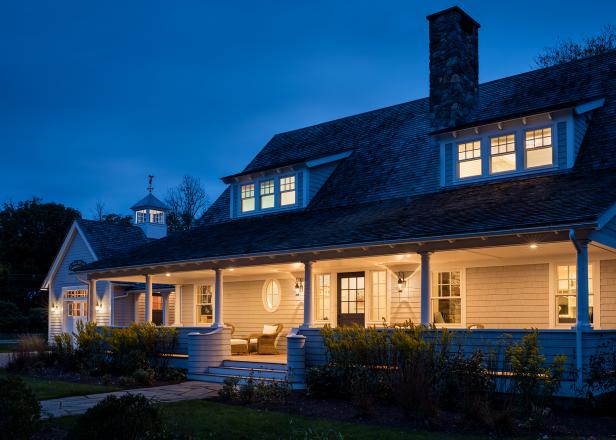
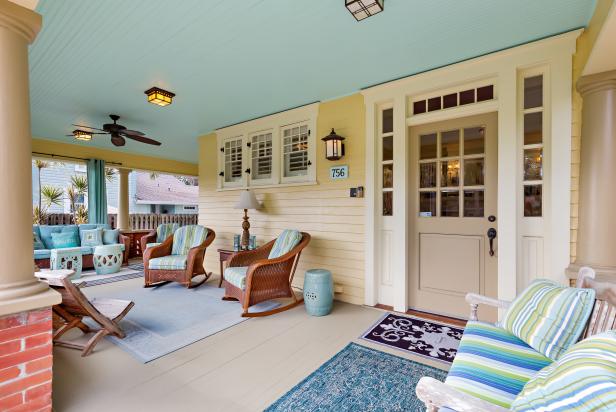
Ambient or all-over lighting is meant to spread light throughout the entire space. On a porch, you’d likely get ambient light from an overhead fixture or large wall sconces. If you combine a ceiling fixture with sconces on each side of an entry door, you can avoid shadows and unpleasant glare. When choosing lanterns for a porch, lighting designer Randall Whitehead of Randall Whitehead Lighting Solutions says go for frosted glass lanterns that obscure the light source inside and require less cleaning than clear glass. Always choose porch light fixtures rated for outdoor use, and make sure all landing areas and steps are illuminated properly. Also, consider adding recessed ceiling lights on dimmers to give you lots of control over the level of light.
Task lighting is what it says it is — lighting up a small space so you can see what task you’re doing. On an entertaining porch, place task lights next to porch chairs or on tables so you can dine, read or play games. Portable, rechargeable lamps are a great choice for outdoor living areas.
Accent lighting is indirect lighting that is more about setting a mood than adding function. Candles or lanterns around the perimeter of the space or rope lighting installed on the underside of a porch railing are examples of stylish and affordable accent lighting.
Smith & Associates Real Estate, a member of Luxury Portfolio International
Floodlights and Spotlights
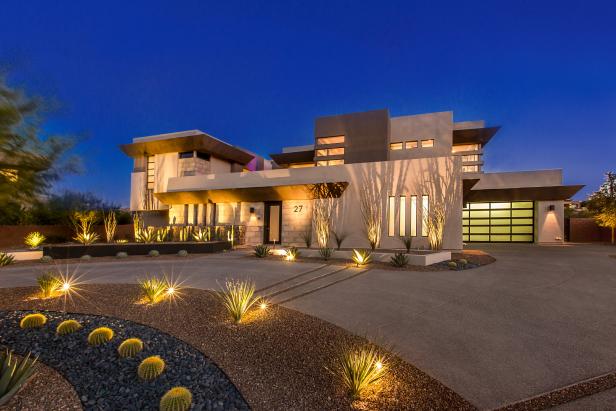
Floodlights and spotlights or a combination of both can be used to add dimension and height to your yard. Floodlights will cast a wide beam suitable for illuminating a large area like a driveway, while spotlights will disperse a narrower beam of light. When creating your lighting plan, consider the spread each type of light gives off. Most spotlights provide a 15-degree spread, whereas a narrow floodlight offers 30-degree coverage, and a wide floodlight has a 60-degree saturation.
If you want to highlight the front landscape of your house, James Burks of Pinnacle Lighting Group recommends using floodlights that shine down from the corner eaves. “If you were to go with a 15- or 30-degree [light], you’re not going to light up all of the plants, so go with as wide of a beam spread as you can.” You can take the same approach if you want to accent the facade of your house with a wall-washing effect. Shining the light along the side of the wall at a sideways angle will give it an even and soothing glow.
Randy Shankula
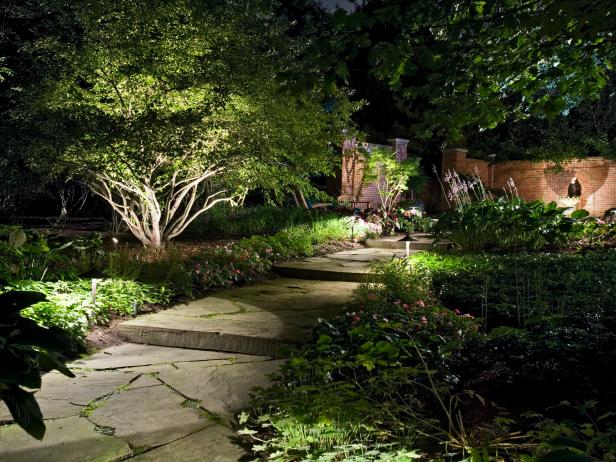
Spotlights can be used to create special effects or highlight landscaping or your home’s architectural features. A common lighting effect is silhouetting, which is simply placing a spotlight behind a feature to create an illuminated backdrop. This is ideal for displaying the dark outline of a striking specimen plant or topiary or even a sculpture. If you wish to highlight a single item in your garden like a statue, gazing ball or fountain, consider using a few lighting fixtures with low-intensity bulbs. Place these at various angles and distances. A single bright light shining directly on the object can create harsh shadows. There are plenty of low-voltage and solar spotlights on the market that are easy to install and don’t cost a fortune. Should you mix uplighting and downlighting? Yes, definitely. Craig Reynolds of Craig Reynolds Landscape Architecture says, “I use down lighting to put a puddle of light on a plant or particular plant that is best viewed from above, like a low spreading philodendron.”
Pathway Lighting and Step Lights
Illuminating a walkway with stake lights is probably the easiest lighting to add to your landscaping. Low-voltage lighting and solar stakes (aka spikes) are available in a variety of styles and price ranges. Low-voltage kits will take the guesswork out installation. They include all the necessary components, like the transformer (it transforms the 120-power from your house to a safe low-voltage charge), wiring, instructions, and they often come with a timer or an automatic motion or light sensor. These kits start around $75 and go up to a few hundred dollars. If your home does not have an outdoor outlet, you’ll need an electrician to install one. That added cost may mean solar is a more cost-efficient option. Either way, outdoor lighting is often a “you get what you pay for” type product, so you want to pay a bit more to get a product that will last longer.
For the best lighting coverage, stakes should be placed 5 to 8 feet apart and about 14 inches off the ground. If you can, stagger each light on opposite sides of the pathway. Alternating pools of light are more attractive than a straight line, and you’ll get more coverage from fewer stakes.
If you’d rather light your walkways from above, consider installing downlighting in your trees. This type of lighting is often called moonlighting because its effect is meant to mimic moonlight. It is achieved by placing a large light fixture with a full glare guard high up in a tree and angled toward the ground so that it creates shadow patterns on the ground resembling natural moonlight.
Another option for illuminating a pathway is in-ground recessed lights or puck lights. These lights can be used not only to illuminate a walkway, but they can also be situated to highlight trees or plantings along the walkway. They come in solar or low-voltage kits that are inexpensive, starting at around $30. They can also be retrofitted to decks and wooden staircases. However, caution must be given to make sure these up lights aren’t blinding when walking along the path.
For staircases, retro-fitting lights in concrete steps may not be possible, but low-voltage or hardwired lights can be added to a wooden staircase. Also, solar lights and low-voltage lights can be added to railings and on post caps.
Lampposts
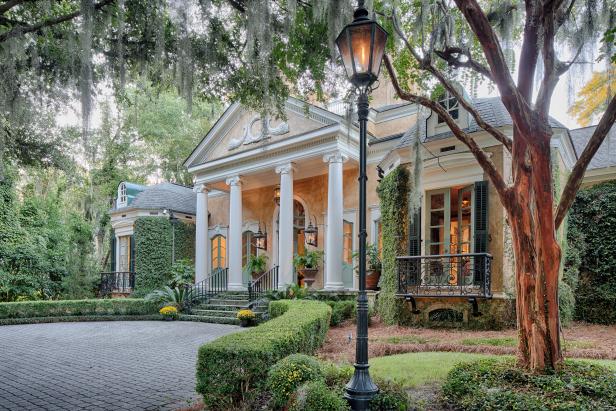
In the past, lampposts (aka light posts or post lights) were traditionally installed at the entrance to a walkway or at the end of a driveway when a house was being built. Today they are not often a part of new home construction. Instead, builders rely on spotlights and floodlights to illuminate driveways and the home façade.
Replacing an existing lamppost is not a hard job. An electrician can do it in less than an afternoon if there is no digging or new concrete involved. However, installing a brand-new lamppost can cost thousands of dollars. For an electric lamppost, wiring needs to be run to the post, so that involves trenching a hole that runs from your house to the post. Replacing a gas lamp needs to be done by a professional plumber or gas lighting specialist; it is not a DIY job! The cost to operate a gas lamppost might be more than electric, it all depends on what your utility charges for each. Often gas costs more, but on the other hand, you don’t have to ever replace a lightbulb. If running a gas line is out of your budget, there are LED lightbulbs that look like a flickering gaslight starting at about $10. If you are installing a new lamppost, try to match your home’s architectural style to keep your look in sync.
Harry Norman, REALTORS, a member of Luxury Portfolio International
Up-Down Wall Lighting
Outdoor wall sconces — often cylinder-shaped — can be used to provide a direct beam of light to a certain area. Some of the most popular ones come equipped with two lights — one shining upward and the other pointing downward. Their double-duty design means they’re a great choice for an entryway or flanking a garage because you’re able to spotlight an exterior wall as well as provide safe navigation in the dark.
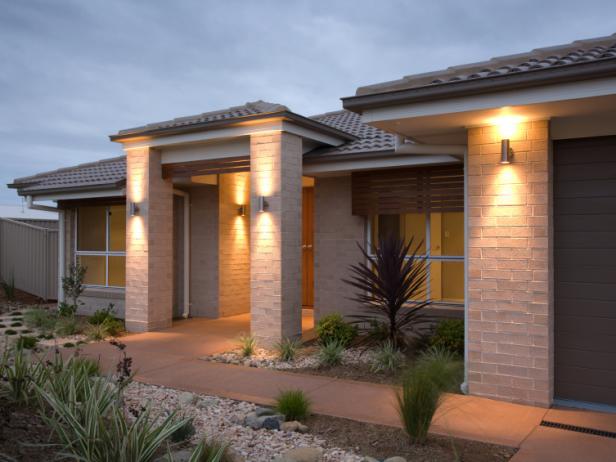
Whatever type or style of lighting you choose to light up your landscape, make sure the fixture and bulbs are rated for outdoor use. If the fixture is under an overhang or porch, you may be able to use a bulb that is meant for the indoors. But the finish on a fixture not manufactured for outdoors may not be able to stand up to humidity and temperature change.



CUSTOMER SERVICE
Mon - Fri7 am - 18pm
 NO.7,Wenshunzheng street,Mincheng industrial village,XiaoLan Town,ZhongShan
 +86 0760 23773953
 info@eco-everenergy.com
ECO-EVERENERGY TECHNOLOGY LIMITED © All Rights Reserved.
